
Third and Pine IV.
Spiritual warfare.

This essay is a continuation of a short series of essays about my time working at Macys in downtown Seattle during the 2008 recession. There are a few people briefly referenced in this piece that are first introduced in these three essays.
Diamond Eyes was haunted by the mere fact of being alive. I asked her name once and she refused, unsure who was really asking, and why the fuck it was their business. Who could blame her? The world is full of sharp tricks, and baristas have access to knives, buttery as they are.
She never asked my name, but adopted other names for me: bitch, stupid bitch, demon girl. On good days, just: girl.
When she’d yell a litany of charges, she looked straight into my eyes, “you are a bitch demon, I know who you really are and it’s nasty.”
In similar confrontations with other customers, I clung to truths of brain chemistry, a bad batch, the invisible hands dispensing these accusations. But not with Diamond Eyes. She pierced so deep I was afraid my pupils would collapse, and before I knew it, the religious psychosis of my past was triggered.
I was no longer standing in my cafe job yes-anding the realities of Third and Pine. Instead, I was an 8-year-old praying in tongues in the back of a soon-to-be-foreclosed warehouse. I was 7-years-old being ushered into the world of spiritual warfare before bedtime. All you have to do is let your mouth loose, and the Holy Spirit can speak through you. All you have to do is sway fast enough and God will push you to the ground, your limbs shaking your bones into another realm. All you have to do is shake the tambourine to the beat and the innate evil inside of you will be forced to surrender.
When Diamond Eyes saw the demons in me, I was transported to the bathroom where a woman screamed at the top of her lungs, face blood-red and shaking, and I, a 13-year-old helped usher the demon out. I cupped the woman’s elbow, encouraged breathing, as voices spoke through her, an ascent of vocal tones that would render any voice actor jealous. After an hour, the demon became tired or bored, because the voices melted into weeping, her larynx emptied. I held her in a hug until a Pastor took over. I never saw that woman again. I’ve often thought about how unfair it is, that I remember her like that. I have a friend who loves retelling a night I blacked out and puked in a bar plant, and that’s utterly prosaic but still feels humiliating.
How much worse to have your exorcism be someone else’s coming-of-age?
Years later, that same pastor warned me of my predilection for evil, the obstinate (dyke) nature that clouded my spiritual gifts: Prophecy and Mercy. It turns out, I was told over Pho, those with Mercy gifts can be sluts, it’s best to watch your own back before it’s laid out on a bed before marriage.
Of course, now, standing at the counter, I knew those Pastor’s words were absurd. I knew Diamond Eyes was in pain, and I was just a witness. I only felt the accusations because I was making eye contact with them.
But even with knowledge, you can’t unhear 20-years of holy war by blasting Gil Scott-Heron and Aesop Rock on the Light Rail. When you’ve lived the unexplainable, the shaking bodies and pained eyes rolling into a healing pile, when you’ve been told you can’t trust yourself, that you must sift desire through sky messages because your core is the devil waiting to take over. Well then, a woman staring straight in your soul and speaking of your nasty core, it holds heavier than a charged up Amex.

So when she came in, I felt a panic, perhaps irrationally, given my calm when Sean Penn tried to shoot up in front of me.
All she needed was to share the horrors in her head, and who can’t relate?
That was my problem of course, the inability to extricate myself from the waves she rode. Her outfits: sparkly hair clips, lots of blue, felt gentle, and I imagined her putting them on as armor against internal attacks.
She took her coffee half-full, the rest swirling with cream, and she backed away from the counter when I called it out.
I set it down slowly, not wanting to trigger the yells, but also to say: “it’s okay, you’re safe here.”
But that wasn’t true.
The gaping maw of living outside was worse for a woman, as most things are, and it’s patronizing to tell someone about their own safety.
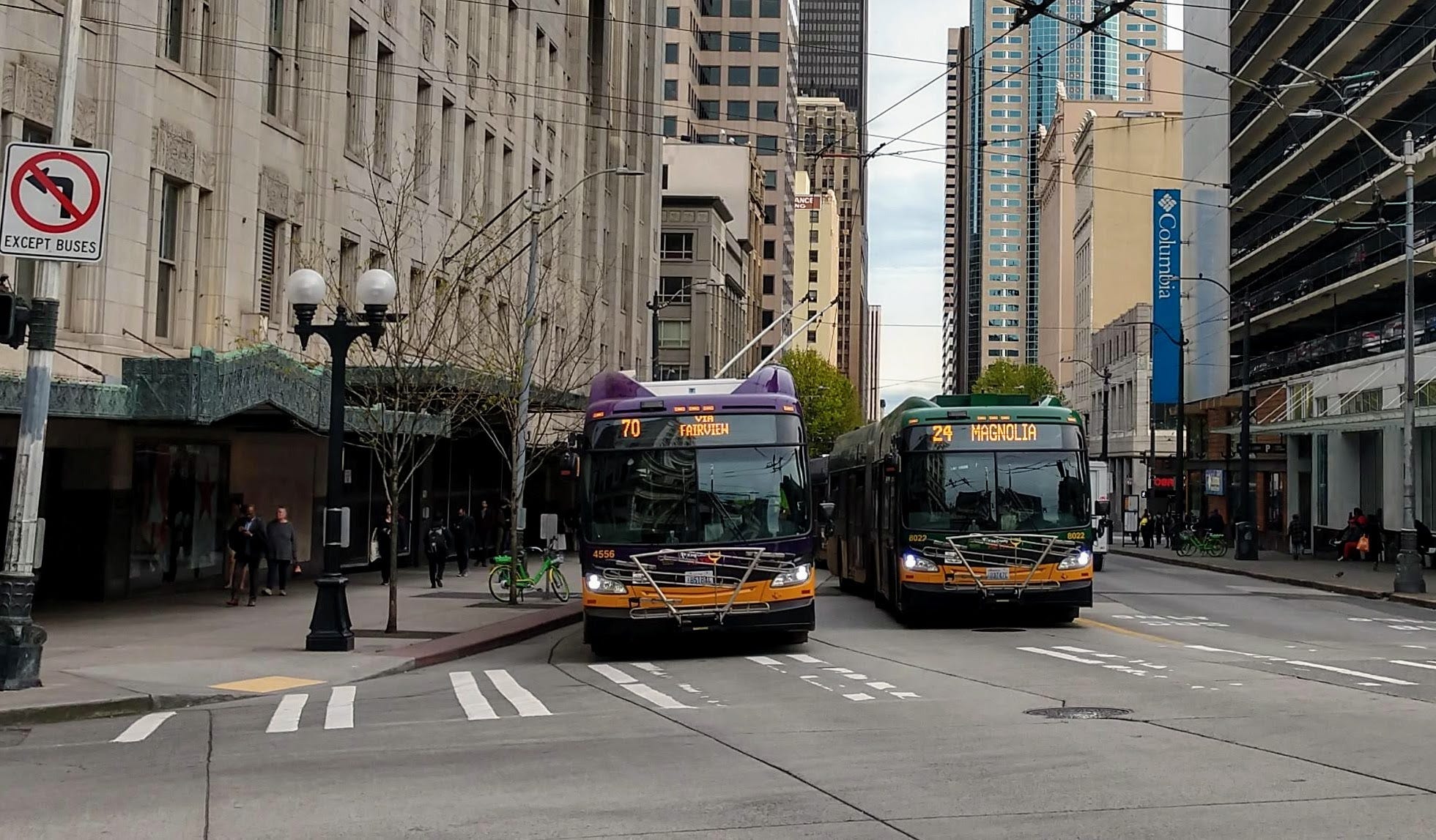
Oftentimes, I’d see her outside, we’d lean against the building feet away from each other, waiting for the bus. That change in scenery shifted our dynamic. In the cold, she didn’t have rights to abuse me as a worker, and I didn’t have power to refuse service. We were both at the mercy of a darkening sky and a rickety bus. We’d smile, muted, and nod in acknowledgement, as if newly introduced characters in a play. No matter how many times this happened, inside the cafe, I was an adversary, a symbol of villainy.
When I put down her coffee, with equal parts anxiety and tenderness, I couldn’t actually tell her she was safe.
It was simply a wish, a spell, a translation of praying-in-tongues I cast over us both, a protective forcefield, a retroactive hug for the 13-year-old that hugged the purified woman reliving a truth far worse than demons.
I wanted to tell Diamond Eyes my name, so we’d both feel less in hell.
“All you have to do is let your mouth loose, and the Holy Spirit can speak through you. All you have to do is sway fast enough and God will push you to the ground, your limbs shaking your bones into another realm. All you have to do is shake the tambourine to the beat and the innate evil inside of you will be forced to surrender.” This brought me back to my hyper religious school, where I’d see my teachers speak in tongues and collapse on the floor.
Damn. Sure felt this one.